4 Fitness Priorities Women 50+ Can't Afford to Ignore

Ever feel like the deck is stacked against you as you get older? Especially for women, the journey through life brings its own unique set of health hurdles. Think menopause, those tricky hormonal shifts that can mess with your metabolism and lead to unwelcome weight gain. Then there are the relentless demands of family and work, often leaving precious little time for self-care. And let's not forget the natural, inevitable loss of muscle mass and bone density that starts creeping in around age 30. Honestly, it can feel like a constant battle just to maintain your physical and mental well-being.
But here's the thing: it’s absolutely not impossible to thrive. What I've found is that with the right strategies, you can not only navigate these changes but actually flourish. Our incredible Start TODAY trainers, all over 50 themselves, are living proof. They've genuinely cracked the code to healthy aging. We tapped into their wisdom for their absolute best tips on prioritizing your health as the years go by, making simple adjustments that truly deliver results, and ultimately, leading a happier, more fulfilling life. They've got some powerful insights to share.
Embrace Strength Training: Your Fitness Foundation
Many women, myself included sometimes, tend to gravitate towards cardio-heavy workouts. We're talking running, cycling, or those energetic spin classes. While these are fantastic for your heart health, there's a critical piece many overlook: after age 30, we typically lose about 3-8% of our muscle mass each decade. That's a significant amount! This natural decline, known as sarcopenia, makes prioritizing strength training absolutely essential.
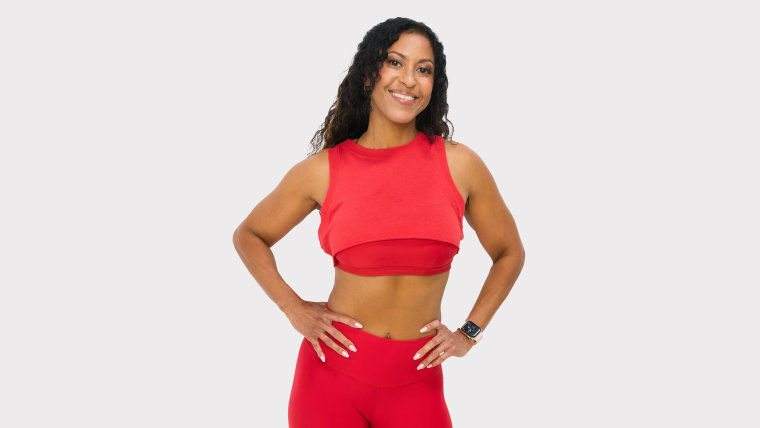
Natalie Yco, a 57-year-old Start TODAY trainer and the brains behind Equinox's "Best Butt Ever" program, puts it perfectly. She explains, "As we age, muscle mass declines due to a process called sarcopenia. Strength training helps counteract this loss, preserving muscle and functional ability." The key takeaway here is that you're not just building strength; you're actively fighting against the aging process itself.
But it's not just about muscle. Industry experts suggest that strength training offers a holistic approach to longevity, enhancing bone density, metabolic health, and even boosting your mood and cognitive function. It's a game-changer!
These advantages become even more pronounced before and after menopause. "Menopause leads to a decline in estrogen," Yco points out, "which can affect both muscle mass and bone density. Strength training directly counters these changes by stimulating muscle growth and enhancing bone health." What surprises most people is that it also helps with cognitive function, improves insulin resistance, and revs up your metabolism, helping to sculpt your body composition.
Yco sees profound changes in her middle-aged clients. While physical strength and body composition improve dramatically, she notes that the most impactful shift is often a significant boost in mood and self-esteem. That's powerful, isn't it?
In my experience, Yco's personal routine reflects this wisdom. She tackles heavy weights 3-4 times a week, mixing in high-intensity interval training (HIIT) or sprint intervals twice weekly. However, as she's navigated menopause, she's smartly adapted her approach to include more recovery, mobility work, and flexibility exercises. This helps prevent injuries – smart, right? "I typically push hard for 2-3 weeks and then take a deload week or two, always listening to my body," she shares. Plus, she walks daily, which she loves! This not only increases her non-exercise activity thermogenesis (NEAT) but also significantly boosts her mood. It's a great example of listening to your body and making adjustments.
Mobility: Your Secret Weapon Against Pain and Injury
Ever felt stiff? Or noticed your movements aren't quite as fluid as they once were? Here's the thing: as we age, our bodies naturally become stiffer and less mobile. That's why considering mobility training as a dedicated workout – and doing it at least three times a week – is crucial for avoiding pain and injury.
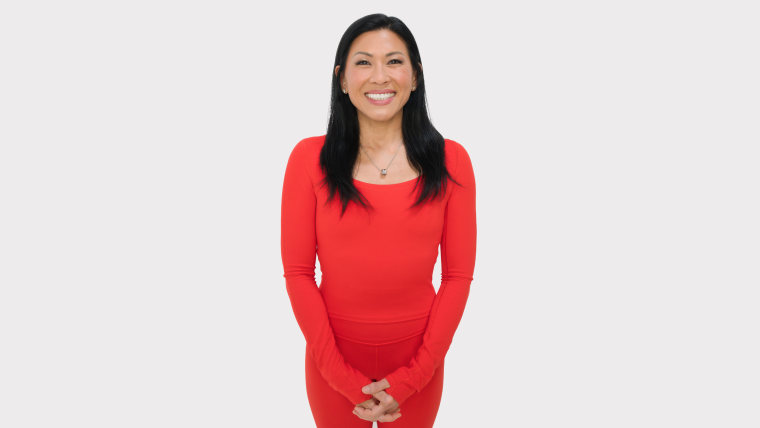
Dr. Karena Wu, 51, a Start TODAY trainer and owner of ActiveCare Physical Therapy, emphasizes this point. "Mobility is extremely important as we age. We typically get stiffer and less mobile, so making sure to maintain motion in our joints and soft tissues is crucial for overall health." She explains that when our joints move well, the surrounding soft tissues become more pliable, leading to better control, circulation, range of motion, balance, and overall performance. A full range of motion means your muscles can activate properly, allowing exercises to be truly effective.
The natural loss of muscle mass, combined with the hormonal stress of menopause, can impact our stability and strength. This often leads to pain and injury. From what I've observed, Wu's insights ring true: "In my experience, clients that have good mobility have had less injuries and have been able to recover more quickly." Mobility enhances neuromuscular communication and improves blood flow, both vital for injury prevention and seamless daily function without limitations or discomfort.

Wu understands this firsthand. She's navigated her own injuries, including knee osteoarthritis. "When I make sure my hips are moving appropriately," she says, "I feel better kinematics in my knee joint in things like squatting to the floor or going down stairs... I feel less pain and can move through more range of motion." This personal perspective really highlights the power of consistent mobility work.
For those just starting, Wu offers a vital tip: "People forget that stretching and mobilization is a 'workout.'" It's not an afterthought; it's an integral part of your health and wellness journey, deserving of a few dedicated sessions each week. Start slow, of course. "Learn how the body moves, feel the tissue tensions, and listen to what your body is telling you," she advises. While stretching might bring a "stretch pain," it should never be excruciating. The goal is to feel light, loose, and limber, with your motion and function feeling much freer.

Yoga: Beyond Flexibility for Mind and Body
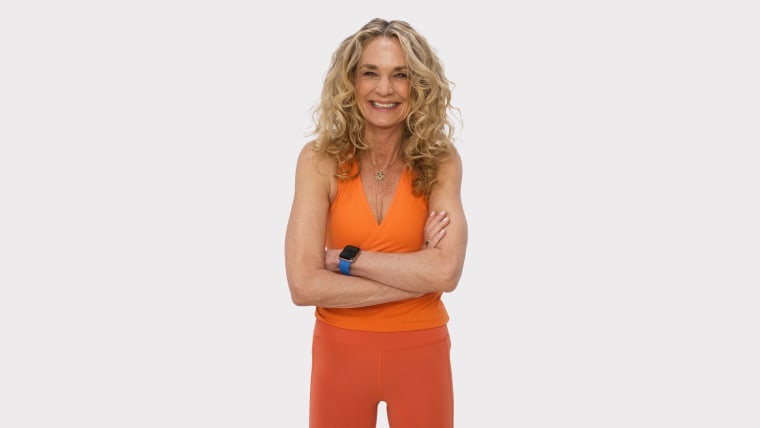
Yoga isn't just about touching your toes or striking impressive poses; it’s a profound practice that becomes even more vital as we age, particularly through perimenopause and post-menopause. Colleen Saidman Yee, 65, a Start TODAY fitness trainer, founder of Yoga Shanti, and author of "Yoga for Life," captures its essence beautifully: "It keeps us strong, steady, and deeply connected to ourselves."
While this holds true at any life stage, it's particularly impactful when navigating menopause. "The hormonal shifts of menopause can be intense, but they also bring freedom," Saidman Yee notes. "It’s like the veil lifts – you start seeing what matters and what doesn’t." Interestingly, many women, including herself, report heightened sensuality. "We often hear that sex lives improve," she adds. "Yoga plays a huge role in that – it keeps you embodied, awake to sensation, confident in your own skin."

Having taught for over 25 years, Saidman Yee has witnessed incredible transformations. "Students come to yoga for flexibility or strength, but they stay because they start feeling more whole," she explains. Their relationships deepen, their reactions soften, and they truly begin to breathe again. The benefits – medical, emotional, and for aging – are endless. This consistency creates a safe space within the nervous system, an inner refuge we can return to repeatedly.
At 65, Saidman Yee’s own practice has evolved significantly. "My practice at 65 is a world apart from my practice at 35," she admits. "I used to push, strive, perform. Now, I listen. I soften. I let my breath lead instead of my ego." She's navigated injuries and surgeries, learning to treat her body with love. These days, she prioritizes restorative poses, breathwork, and plenty of savasana. "Grace is more important to me now than grit," she says.

Yoga regulates our nervous system. It helps with the anxiety, mood swings and sleep disturbances that often come with menopause. It’s a steady hand on your back when everything else feels like it’s changing.
Colleen Saidman Yee
This holistic impact extends to emotional health. "We begin to retire some of our people-pleasing tendencies," Saidman Yee observes. "There’s simply not as much energy for anything that isn’t real." With age comes wisdom, and yoga sharpens that inner ear, helping us act from what we know to be true. Physically, it keeps joints lubricated, muscles toned, and bones weight-bearing – vital as estrogen levels drop. But beyond the physical, yoga truly regulates our nervous system, offering a steady hand when everything else feels in flux.
Feeling intimidated by yoga? You're not alone. Saidman Yee wants to bust a common myth: you don't need to be flexible to start. "That’s like thinking you need to be clean before you take a shower. Just come as you are." Begin with simple poses like cat-cow, downward dog, warrior II, and child’s pose. The real yoga, she emphasizes, is getting to know your breath.
"The best mindset is curiosity, not judgment," she advises. And consistency is key: "10 minutes a day is better than 90 minutes once a month. Let it be messy, let it be yours, and let it be enough."
Meditation: Your Anchor Through Life's Transitions
Aging inevitably brings difficult transitions, and our emotional state can make navigating them even tougher. That's where mindful practices, like seated meditation and somatic movement, come in. Their goal is simple: release tension and enhance the mind-body connection, helping you cope better with change.

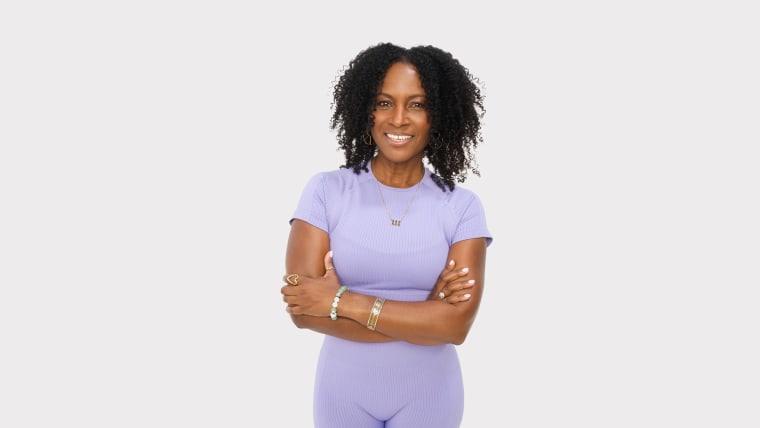
Faith Hunter, 54, a Start TODAY trainer, yoga and meditation instructor, and somatic healing expert, explains why this is so crucial. "As we age, our nervous system becomes more sensitive to stress and hormonal shifts. Perimenopause and menopause can really disrupt sleep, emotional balance, and overall energy." She clarifies that somatic movement and meditation help calm the body, regulate the nervous system, and cultivate a deeper sense of inner safety. For women in midlife, it's about "reclaiming the body as a place of wisdom and healing, not something to push through or ignore."
Hunter has witnessed incredible transformations. "They sleep better, feel less anxious, and start moving through the world with more softness and confidence," she shares. These practices build a deeper emotional resilience, which is particularly powerful during major life transitions – whether it's menopause, grief, burnout, or even a personal reinvention. "One of the most common things I hear is, 'I feel like I’m finally coming home to myself.'" That's a powerful statement, isn't it?

These practices create a deeper emotional resilience and that’s especially powerful during life transitions — whether it’s menopause, grief, burnout or reinvention. One of the most common things I hear is, ‘I feel like I’m finally coming home to myself.’
Faith Hunter

As she's gotten older, somatic practice has taught Hunter to truly listen to her body and move in a way that supports healing, not depletion. "In my younger years, I thrived on intensity, but in my 40s and 50s, my body started asking for something different—something more nurturing," she recounts. Meditation has always been her anchor, helping her regulate emotions, reduce anxiety, and gain clarity. "The older I get, the more I honor ease, softness, and intuitive movement as essential forms of wellness."
If mindfulness or meditation seems overwhelming, don't fret. Starting is simpler than you think. "Release the need to 'do it right,'" Hunter advises. "This isn’t about performance – it’s about connection." Just a few minutes of gentle movement or conscious breathing each day can make a world of difference. Focus on how it feels, not how it looks. Try soft, intuitive exercises like gentle stretching, body tapping, or even somatic shaking. Remember: consistency beats intensity every time. Let your body guide you, and always give yourself grace.

Finding Your Path to Healthy Aging
Navigating the complexities of aging, especially as a woman, doesn't have to be an uphill battle. By integrating strength training, prioritizing mobility, embracing the holistic benefits of yoga, and finding stillness through meditation, you're not just fighting against decline; you're actively investing in a richer, more vibrant future. These practices aren't just about physical changes; they're about cultivating resilience, enhancing mood, sharpening your mind, and fostering a deeper connection with yourself. It's about empowering you to live a happier, more contented life, whatever your age.
Ready to put these incredible insights into practice? You'll find a comprehensive 31-day healthy aging challenge waiting for you. Our trainers have curated a holistic plan combining strength, yoga, mobility, and meditation. To join, simply download the Start TODAY app!
Get your dream items with discounts up to 80%
Post a Comment